Community
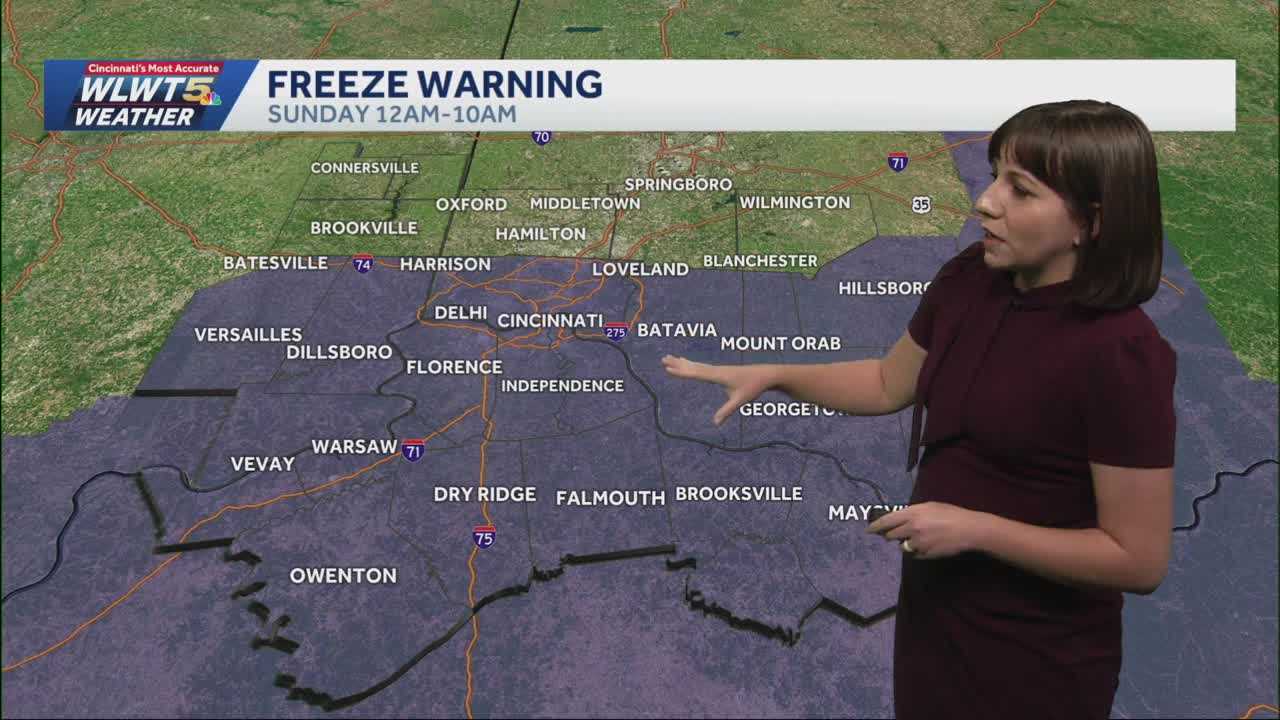
Freeze warning in place for Greater Cincinnati tonight
By Julia Thompson
Advertisement · Why this ad?
Julia is a Cincinnati native with a strong passion for local issues, having spent the last three years writing for Cincinnati Magazine. She studied Journalism at the University of Cincinnati and focuses on neighborhood stories that inspire community engagement and action.
More from Julia →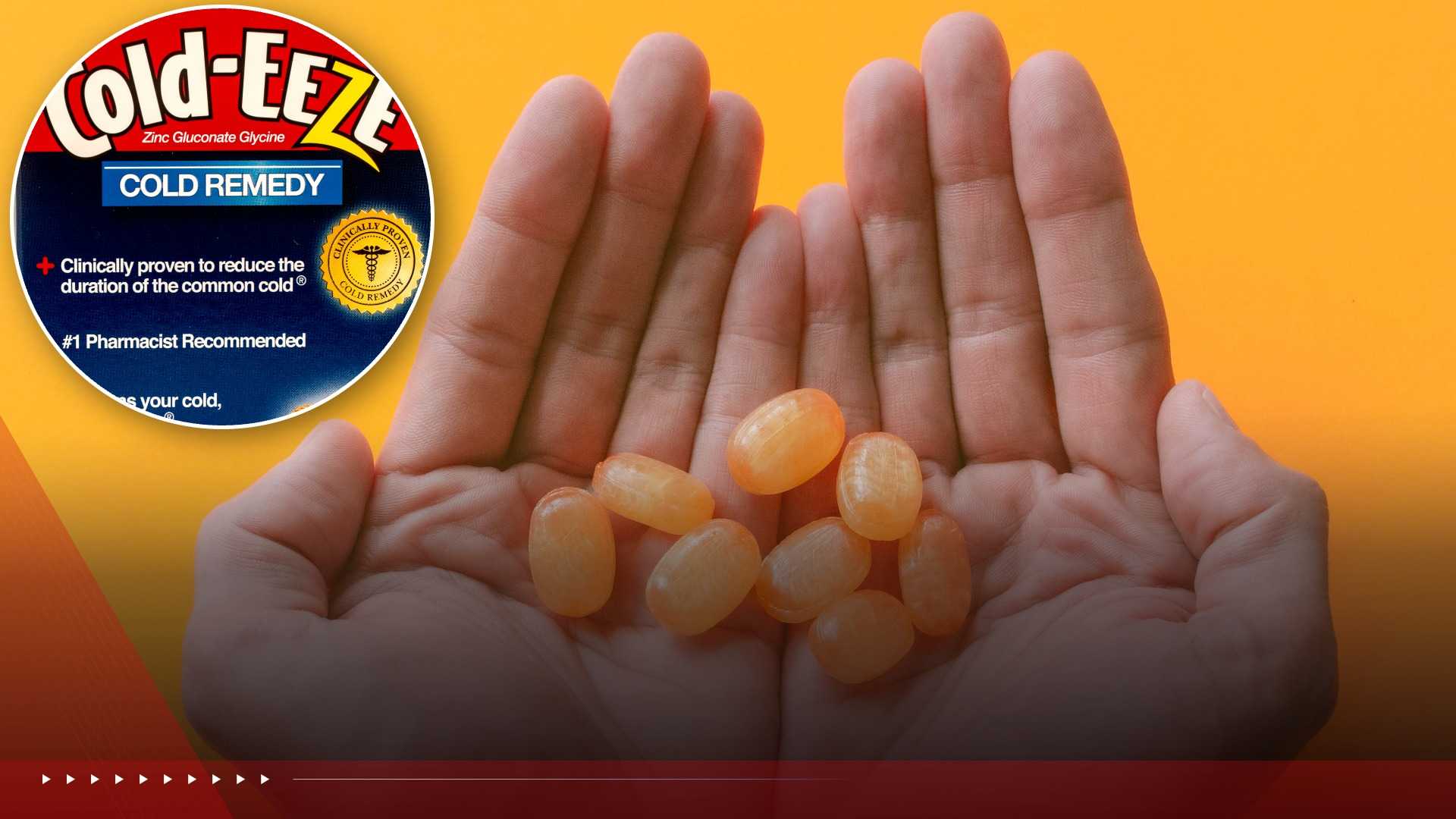
As the crisp winter chill settles over our beloved Cincinnati, families across the Tri-State area are bracing for the inevitable sniffles, coughs, and sore throats that accompany the season. For many parents, the onset of a cold in the household can feel like a relentless battle. Sarah, a dedicated local mother of three, knows this feeling intimately, recalling countless nights spent comforting her little ones, armed with a box of tissues, a comforting blanket, and a hopeful glance at the box of zinc lozenges on the nightstand, wondering if they might just offer that much-needed relief.
This common household scenario brings to light a question many Cincinnatians ponder as cold and flu season peaks: Do zinc lozenges actually work as a treatment for the common cold? It’s a query that resonates deeply within our community, especially as we gather for school events, church potlucks, and spirited Bengals games, all while striving to keep our loved ones healthy and vibrant.
The search for effective remedies is a familiar journey for families. While the promise of a quicker recovery from a nagging cold is appealing, the scientific community has offered a nuanced perspective on the efficacy of zinc lozenges, leaving many to wonder if their trust in this popular supplement is well-placed. The common cold, caused primarily by rhinoviruses, remains a pervasive challenge, making any potential relief a topic of keen interest for those seeking comfort for themselves and their families. For general information on the common cold, the Centers for Disease Control and Prevention (CDC) provides valuable insights.
For many, personal experience often outweighs scientific ambiguity. Mr. Thompson, a cherished elderly neighbor from Hyde Park, is a staunch believer in the power of zinc. “I’ve been using them for years,” he shared with a knowing smile, “and I swear they help me bounce back quicker. When I feel that tickle in my throat, I reach for them, and usually, I’m feeling better in a few days. It’s about feeling like you’re doing something proactive for your health.” His stories reflect a common sentiment among those who have found comfort and perceived benefit from the supplement.
Sarah, while hopeful, admits to a degree of uncertainty. “When my kids are sick, I’ll try almost anything to help them feel better faster,” she explains, her voice tinged with the familiar weariness of a parent navigating illness. “We’ve used zinc lozenges, but it’s hard to tell if they truly shorten the cold or if it’s just the natural course of the illness. You just want to do your best for your family, to get them back to school and playing with their friends.” This sentiment underscores the universal desire to nurture and protect our families, a cornerstone of our community's values.
The interest in zinc as a cold remedy stems from its role in immune function. Zinc is an essential trace element vital for numerous bodily processes, including immune system development and function. The theory is that zinc ions, when released in the mouth and throat, might interfere with the replication of cold viruses or inhibit their ability to bind to cells in the nasal passages. This mechanism has fueled decades of research into its potential as a therapeutic agent for the common cold.
Research into zinc’s effectiveness has yielded mixed results, contributing to the ongoing debate. Some studies have suggested that zinc, particularly when taken within 24 hours of cold symptom onset, can shorten the duration of a cold by a day or so and may reduce symptom severity. For example, the National Institutes of Health (NIH) on zinc has explored these findings. However, other studies have found no significant benefit, leading to a lack of universal consensus among medical professionals. The Mayo Clinic offers a comprehensive overview of common cold treatments, often highlighting the varied evidence.
It's also important to note that not all zinc supplements are created equal. The form of zinc (e.g., zinc gluconate, zinc acetate) and the dosage can influence its potential effects. Furthermore, side effects, such as nausea or an unpleasant taste, have been reported by some users. The Cleveland Clinic provides further details on zinc for colds, including considerations for its use.
While the debate over zinc lozenges continues, medical experts consistently emphasize foundational practices for preventing and managing the common cold. These strategies are particularly important for maintaining the health and stability of our households, allowing families to thrive and participate fully in community life. Regular handwashing, especially after coughing or sneezing, is paramount. The Harvard Health Publishing offers practical advice on what to do for a cold.
Ensuring adequate rest, maintaining a balanced diet rich in fruits and vegetables, and staying well-hydrated are also crucial for supporting a robust immune system. These simple yet powerful habits form the bedrock of family wellness, helping to keep everyone healthy for school, work, and cherished family time. The American Lung Association offers excellent resources on cold prevention strategies.
For our senior community members like Mr. Thompson, maintaining health during cold season is especially vital. Organizations like AARP provide tailored advice for older adults on preventing and managing colds and flu, emphasizing the importance of staying connected and well.
For Cincinnati families seeking reliable health information and care, numerous local resources are available. The Cincinnati Health Department serves as a vital public health hub, offering guidance on various health matters. For pediatric concerns, Cincinnati Children's Hospital Medical Center is a world-renowned institution providing expert care and information for children's health.
Adults can access comprehensive primary care services through systems like UC Health Primary Care, where healthcare professionals can offer personalized advice on cold management and overall wellness. Local pharmacies, such as Walgreens, also provide accessible information and over-the-counter remedies, though it's always wise to consult with a doctor or pharmacist for specific health concerns. The FDA also offers important consumer updates on cold and flu medicines.
Ultimately, the question of whether zinc lozenges truly work remains a personal one for many, often intertwined with hope and the desire to alleviate discomfort. While scientific consensus may still be evolving, the shared wisdom of our community, combined with sound medical advice and a commitment to foundational health practices, continues to be our strongest defense against the seasonal sniffles. As families prepare for holiday gatherings and the joys of winter, the ongoing quest for effective remedies reminds us that sometimes, the best solutions come from a blend of personal experience, community support, and trusted professional guidance, all working together to keep our Cincinnati households healthy and whole.
By Julia Thompson

By Evan Fields

By Julia Thompson
By Julia Thompson